

We’ve Lost Sight of The Person.
An intimate experiment in vulnerability and the search for the Beloved Community.
Watch Episode 1 Now!
TRAILER: Love Fear Hope — Abortion (Ep. 01)
The Story: A First Step
The Human Behind the Issue
Between 2020 and 2021, I found myself reflecting on the growing chasm in our world. We were surrounded by noise, but very little of it felt human. I became obsessed with the idea of the Beloved Community—a space where human dignity is affirmed, even between those who stand in total opposition.
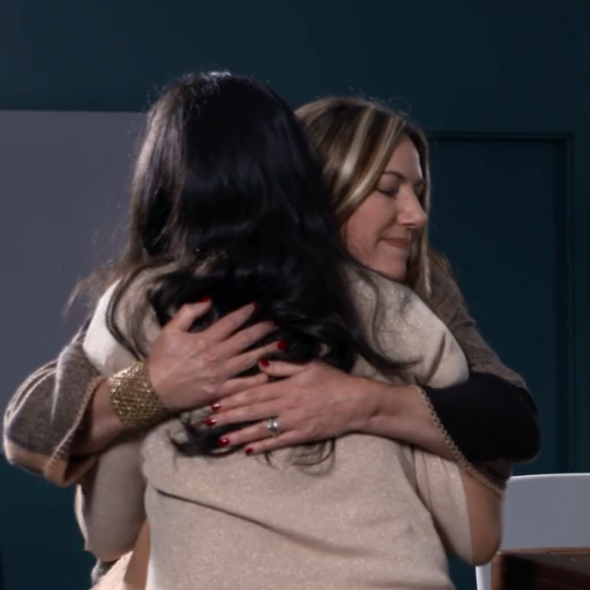
Love Fear Hope is my attempt to build that bridge. This is the first release of what I hope will be a catalyst for change. I brought two people together who sit on opposite sides of a deeply divisive issue, not to debate, but to witness one another’s humanity.

The Three Pillars
The Architecture of Vulnerability
We don't ask for their platform. We ask for their heart. Each participant is asked to share three deeply personal truths:
Love: Who is the person you would sacrifice everything for? How do you show up for them with gentleness, kindness, and patience?
Fear: What are the shadows that follow you? What do you fear most for your life and the lives of those you love?
Hope: What do you personally long for? What is the future you desire for yourself and those closest to you?
This isn't about world-changing philosophies; it’s about the quiet, intimate reality of being human. When we share what we love and what we fear, we find that the person across from us is far more like us than we realized.
The First Episode
Episode 01: Abortion
The Topic: Abortion There is perhaps no topic more personal or more polarized. In this pilot episode, we set aside the political armor to listen to the souls of two people - Anna Eskamani, Human (Pro Choice) and Laura Romot - Human (Pro Life).
We briefly acknowledge their differing views, then we pivot. They spend the rest of their time in a brave, intimate space—speaking about the people they sacrifice for, the fears that keep them awake at night, and the personal hopes they carry for their own lives and those they love. This is the conversation that must happen before the tough discussion can ever begin.
The Response
What happens next?
This is a single step—a piece of work I felt called to put out into the world to see if we are ready to care for one another again.
Does this move you? Whether we continue this series depends on the resonance of this first conversation. If you believe this kind of radical vulnerability is the way forward, please join us. Your response will determine if we take the next step together.
Share Your Thoughts And Sign Up for Updates
Helping leaders build organizations and communities grounded in dignity, care, and shared responsibility through conversations, language, spaces, and systems.
The Beloved Community Framework emerged from lived experience, reflection, and a commitment to move beyond reaction toward meaningful, sustained action. It is grounded in the belief that lasting change requires more than words or moments of awareness. It requires shared principles that shape how people relate to one another, how systems are designed, and how harm is addressed.
This framework is informed by the vision of the Beloved Community articulated by Martin Luther King Jr., alongside restorative approaches that emphasize healing, accountability, and repair. Together, these influences form a practical, values-based foundation for leadership, culture, and community life.
At the heart of the framework are five principles that guide how I show up, how I lead, and how I help organizations and communities move from conviction to practice.
Five Principles of the Beloved Community
Love - A selfless concern for the well-being of others. Love, in this sense, is not sentimental but active. It shapes decisions, relationships, and systems in ways that prioritize care, responsibility, and the common good.
Dignity - All people are worthy of respect because they possess an unconditional and absolute value to humanity that extends beyond usefulness, ability, or convenience. Dignity is the non-negotiable starting point for how people are treated and how institutions are designed.
Intolerance of Conditions That Dehumanize - Poverty, hunger, and homelessness are not tolerated because basic standards of human decency demand better. This principle calls for systems that address root causes rather than accepting harm as inevitable.
Inclusiveness - Racism and all forms of discrimination, bigotry, and prejudice are replaced by an all-inclusive spirit of kinship. Inclusiveness here is not performative; it reflects a commitment to shared belonging and mutual responsibility.
Reconciliation - Disputes are resolved through peaceful conflict resolution and the reconciliation of adversaries rather than force, aggression, or shame. This principle prioritizes healing, accountability, and the restoration of trust.
How the Framework Is Used
Together, these principles guide how I help leaders, organizations, and communities clarify values, shape culture, and design systems that affirm human dignity and support long-term repair and resilience. The Beloved Community Framework is not an ideology or a program. It is a practical lens for decision-making, relationship-building, and institutional design.